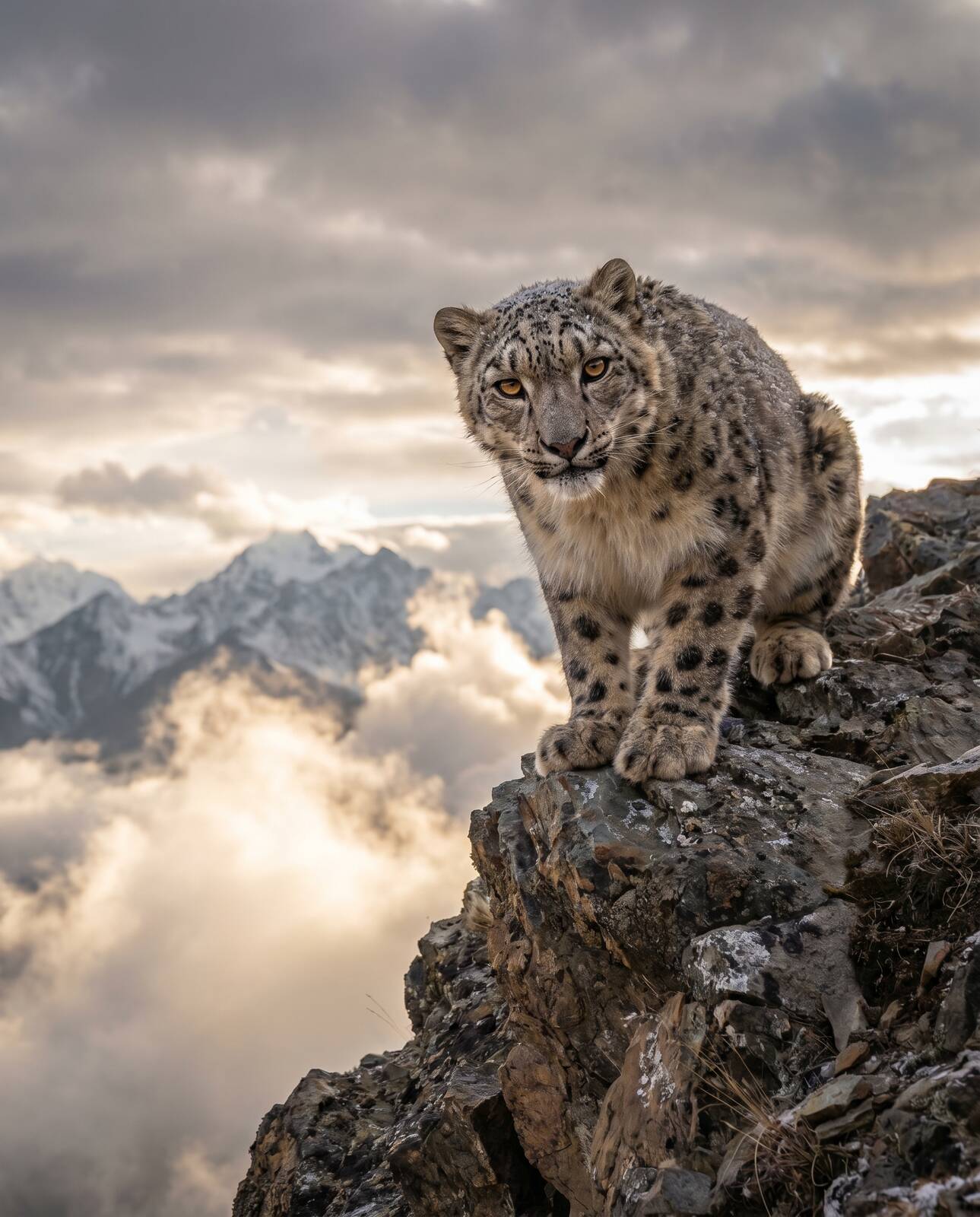
The Long Wait
There is a particular kind of stillness that descends on the Patagonian steppe at four in the morning. It is not the absence of sound — the wind is constant, a low and ceaseless conversation with the granite spires — but the absence of expectation. You sit, you breathe slowly to keep the camera lens from fogging, and you watch.
For three days, I watched. No movement other than guanaco grazing on the lower slopes and the occasional condor circling impossibly high. The puma I was searching for, a four-year-old female the local guides had named Sombra, had been seen at this saddle a week before. She would, they said, return.
The Encounter
On the fourth morning, she came. Not from where I expected — not down from the rocks above — but laterally, sliding silently through a stand of lenga trees no more than forty meters from my position. She did not look at me. She paused, sniffed the air once, and continued on her line toward the valley below.
"You do not photograph a puma. The puma allows herself to be photographed, and only when you have proven, by your stillness and your patience, that you understand the terms."
The shutter fired four times. The fourth frame is the one I kept.
What the Image Cannot Hold
A photograph is a flat thing. It carries the light, the form, the moment — but not the cold, not the three days of waiting, not the absurd gratitude that floods you when a wild creature decides to share fifteen seconds of her life with yours. That part stays with the photographer, and that is, perhaps, as it should be.