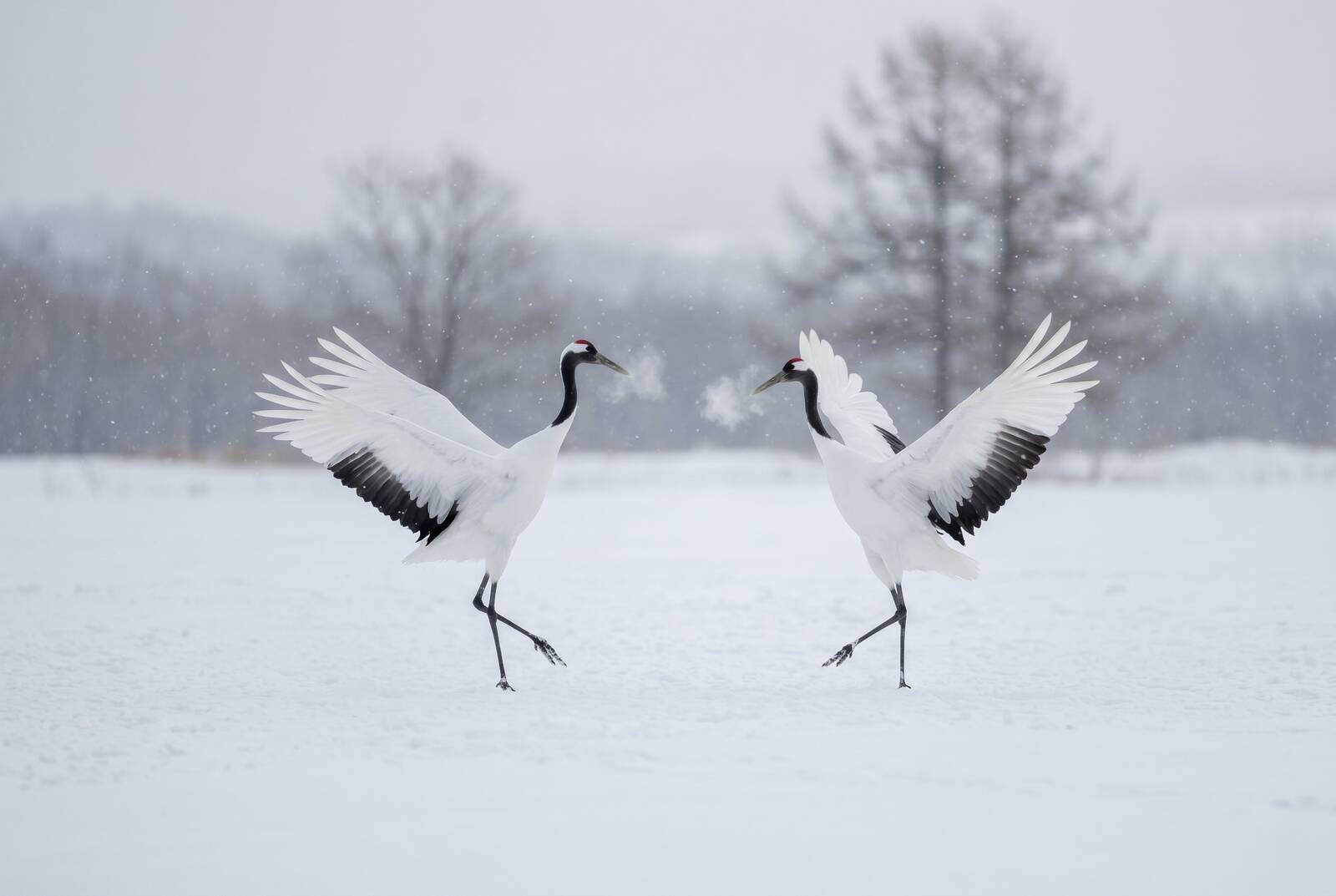
The Weight of Thirty-Six
I carry two cameras into the field. A modern mirrorless body, for the moments when speed and shutter count matter — birds in flight, predators in motion. And a 1979 Nikon F2, loaded with Kodak Portra 400, for everything else.
The film camera has thirty-six frames. That is its entire conversation with the world for one outing. You learn, very quickly, that thirty-six is enough — if you are willing to wait, to compose, to refuse the easy frame in favor of the right one.
Discipline as Aesthetic
Digital photography has made me, in moments, lazy. The cost of pressing the shutter is zero, so the pressure to make each frame count is also zero. I shoot a hundred frames of an indifferent scene, hoping the percentages will reward me. They rarely do.
With film, the cost of the frame is real. You feel the shutter actuation in your bones. You compose for the photograph that is already in your head, and you wait until the world arranges itself to match.
"The frame you do not shoot is as important as the frame you do."
On Returning to the Darkroom
Three months after a trip, I develop the film. By then, the memory has settled. I have forgotten which frames I thought were strongest in the moment. The rolls are a kind of letter to a past self, and the answer they return is always more honest than the digital archive would have been.
Most of the photographs in The Collection began on film.